Introduction
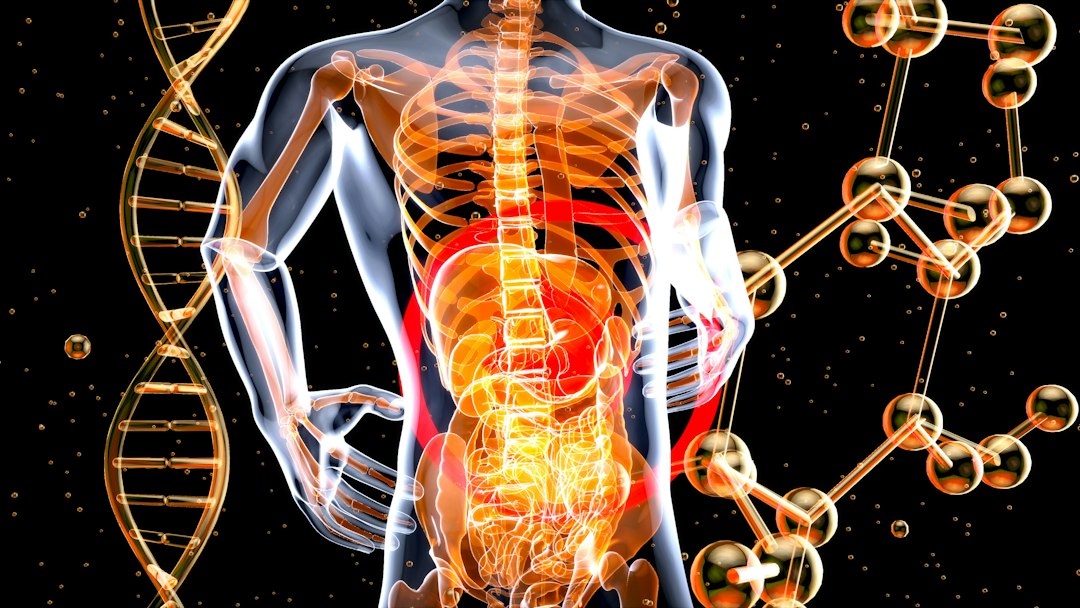
If you've ever felt uncomfortably bloated after drinking a carbonated beverage, you're far from alone. Millions of adults experience the uncomfortable sensation of gas, stomach distension, and bloating after consuming fizzy drinks—and the reasons behind it are rooted in basic chemistry and human physiology. Understanding why do fizzy drinks cause gas and bloating can help you make informed choices about your beverage consumption and manage uncomfortable symptoms when they occur. This article explores the science behind carbonation, how your digestive system responds to it, and practical strategies to reduce or eliminate the discomfort that so many people experience after their afternoon soda or sparkling water.
How Carbonation Creates Gas in Your Stomach
Carbonated beverages contain dissolved carbon dioxide (CO₂) gas under pressure. When you open a bottle or can, that pressure releases, and when you drink the beverage, you're consuming liquid that's saturated with tiny CO₂ bubbles. Once these bubbles reach your stomach, they don't simply disappear—they accumulate and create actual gas volume inside your digestive tract.
The stomach's primary role is to break down food mechanically and chemically, not to absorb gas. When carbonated beverages enter your stomach, the CO₂ bubbles expand slightly due to the change in pressure and temperature. Your stomach responds by increasing its volume to accommodate this gas, which is the primary cause of that bloated, distended feeling you experience. A 2019 study published in the American Journal of Gastroenterology found that carbonated beverages caused measurable increases in intragastric gas volume within minutes of consumption.
The problem intensifies if you drink quickly or consume large quantities. Rapid carbonated beverage intake means more bubbles enter your stomach in a shorter time frame, overwhelming your digestive system's natural ability to process and eliminate the gas. Additionally, the carbonation can trigger increased gastric motility (stomach contractions), which may push gas into your small intestine faster than normal, compounding the bloating sensation and sometimes leading to additional intestinal discomfort.
Recognizing the Signs and Symptoms
The symptoms of gas and bloating from carbonated beverages typically develop quickly—often within 15 to 30 minutes of drinking. The most common symptom is visible abdominal distension, where your stomach appears noticeably larger or puffed out. Many people describe the sensation as feeling "full" despite not having eaten much, or experiencing tightness across the upper abdomen.
Beyond visible swelling, you may experience uncomfortable sensations including pressure in your chest or upper abdomen, mild to moderate cramping, or a sensation of heaviness in your digestive tract. Some individuals report feeling uncomfortably full even after consuming only a small amount of food alongside their fizzy drink. Belching is another hallmark symptom—your body's natural mechanism for trying to expel excess gas. You might find yourself burping more frequently and more intensely after carbonated beverages than after still drinks.
In more sensitive individuals, the gas can travel through the digestive tract and cause lower abdominal bloating, flatulence, or even mild discomfort in the lower abdomen or bowel area. These symptoms are generally temporary and resolve as your digestive system processes and eliminates the gas, typically within one to three hours. However, for people with sensitive digestion or underlying gastrointestinal conditions like irritable bowel syndrome (IBS), the symptoms may be more pronounced or longer-lasting. It's important to recognize that why do fizzy drinks cause gas and bloating involves both the immediate physical presence of CO₂ and your individual digestive system's sensitivity to gas accumulation.
Impact on Daily Life and Quality of Life
While carbonation-induced bloating is temporary, its impact on daily life shouldn't be underestimated. Many adults report avoiding social situations—lunch meetings, dinners out, or casual social gatherings—specifically to prevent the embarrassment of visible bloating or excessive belching in front of colleagues or friends. The self-consciousness around these physical symptoms can lead to social withdrawal or anxiety around eating and drinking in public.
For those who work in professional environments, the timing of bloating can be particularly problematic. Consuming a fizzy drink before or during an important meeting might leave you feeling uncomfortable, distracted, or self-conscious about your appearance. The physical sensation of being overly full can also interfere with concentration and productivity, making it difficult to focus on tasks when your digestive system is working overtime to process accumulated gas.
Additionally, many people develop habits of chronic carbonated beverage consumption—whether it's diet soda, regular soda, or sparkling water—without realizing the cumulative effect on their comfort and wellbeing. Those who consume multiple carbonated drinks daily may experience constant low-level bloating or persistent digestive discomfort. Understanding this connection can motivate meaningful changes that improve not just digestive comfort, but overall quality of life and confidence in social and professional settings.
Natural Approaches and Lifestyle Modifications
The most straightforward solution to carbonation-related bloating is to reduce or eliminate carbonated beverages from your diet. Switching to still water, herbal tea, or non-carbonated beverages eliminates the source of excess stomach gas entirely. Many people find that this simple change produces noticeable results within days, with most bloating and distension symptoms resolving completely.
If you enjoy the sensory experience of carbonated beverages and want to continue consuming them occasionally, there are practical strategies to minimize discomfort. Drinking carbonated beverages slowly rather than quickly allows your digestive system more time to process the gas gradually. Sipping through a straw can actually reduce the amount of gas you consume compared to drinking directly from the can or bottle. Consuming carbonated drinks with meals rather than on an empty stomach may also reduce symptoms, as food in your stomach provides a buffer and may help your digestive system manage the gas more efficiently.
Temperature also matters—warm carbonated beverages may cause less bloating than ice-cold ones, since cold temperatures can slow gastric emptying and prolong gas accumulation in your stomach. Additionally, staying upright for at least 30 minutes after consuming carbonated beverages can help gas move through your digestive tract more naturally, rather than becoming trapped when you're sitting or lying down. Gentle movement like a short walk post-consumption may also facilitate gas passage and reduce bloating duration.
Nutritional Factors and Digestive Support
Beyond avoiding carbonation, certain dietary and nutritional factors can support overall digestive health and resilience. Your digestive system relies on adequate B vitamins—particularly B6 and B12—for optimal muscle function and nerve signaling that helps move food and gas through your intestines efficiently. A 2020 study in Nutrients found that individuals with adequate B-vitamin status experienced fewer bloating symptoms overall compared to those with deficiencies. This is why many adults turn to targeted digestive support formulas—Soda Peak is a supplement formulated to address nutritional gaps that may affect digestive comfort—though addressing your nutritional needs can be done through diet alone if you focus on B-vitamin rich foods.
Magnesium plays an important role in smooth muscle function throughout your digestive tract, and adequate magnesium intake supports healthy gastric motility—the wavelike muscle contractions that move food and gas through your stomach and intestines. Foods rich in magnesium include leafy greens, nuts, seeds, and whole grains. Adequate hydration with plain water throughout the day also supports digestive function and helps your body process and eliminate gas more efficiently.
Fiber intake deserves attention as well, though it should be increased gradually. Soluble fiber found in oats, beans, and certain fruits can feed beneficial gut bacteria and support digestive health. However, sudden increases in fiber can temporarily increase gas production, so adjust your intake slowly over several weeks. Ginger and peppermint tea have traditional use and some scientific support for soothing digestive discomfort and may provide comfort after carbonated beverage consumption. Fermented foods like yogurt or kefir (if tolerated) may support gut health through beneficial bacteria, though these shouldn't be consumed immediately after carbonated beverages, as the combination may worsen bloating.
Frequently Asked Questions
Is sparkling water better than soda if I experience bloating?
Sparkling water causes gas and bloating through the same mechanism as soda—carbonation itself is the culprit, not the sugar or additives. While sparkling water lacks the added sugars and artificial sweeteners of soda, it will still produce carbonation-related bloating. If you're sensitive to gas accumulation, plain water is your best choice, regardless of whether the carbonated beverage is "healthy" or not.
Can digestive enzymes help with carbonation bloating?
Digestive enzymes help break down food, but they don't eliminate gas bubbles. Since carbonation-related bloating comes from CO₂ gas itself rather than food digestion problems, enzymes won't directly address the issue. However, supporting overall digestive efficiency with proper nutrition may help your system move gas through more quickly.
How long does carbonation bloating typically last?
Most carbonation-related bloating resolves within one to three hours as your digestive system eliminates the gas through belching and normal intestinal gas passage. However, in sensitive individuals or those with underlying digestive conditions, symptoms may persist longer. Gentle activity and upright positioning can help speed resolution.
Dealing with bloating and gas after fizzy drinks can be frustrating, especially when you're trying to enjoy a beverage without the uncomfortable aftermath. Beyond avoiding carbonation, supporting your digestive system with proper nutrition can make a meaningful difference. Learn more about Soda Peak and see if nutritional support might complement your strategy for managing digestive comfort.
Related Reading
How Bloating and Gas Affect Your Energy Levels
Strategies to Reduce Carbonation Bloat and Digestive Discomfort