Introduction
Carbonated beverages are a staple in many adults' daily routines, offering a refreshing fizz and convenient caffeine boost. However, the pleasant experience of sipping a cold soda or sparkling water often comes with an unwelcome side effect: bloating and digestive discomfort. If you've ever felt uncomfortably full, gassy, or bloated after enjoying a carbonated drink, you're far from alone. Understanding how to reduce bloating from carbonated drinks can help you enjoy these beverages without the painful aftermath—or find practical alternatives that work better for your digestive system. This article explores the science behind carbonation-related bloat, what happens in your body when you consume fizzy drinks, and evidence-based natural strategies to minimize discomfort while still enjoying the foods and beverages you love.
Why Carbonated Drinks Cause Bloating: Understanding the Science
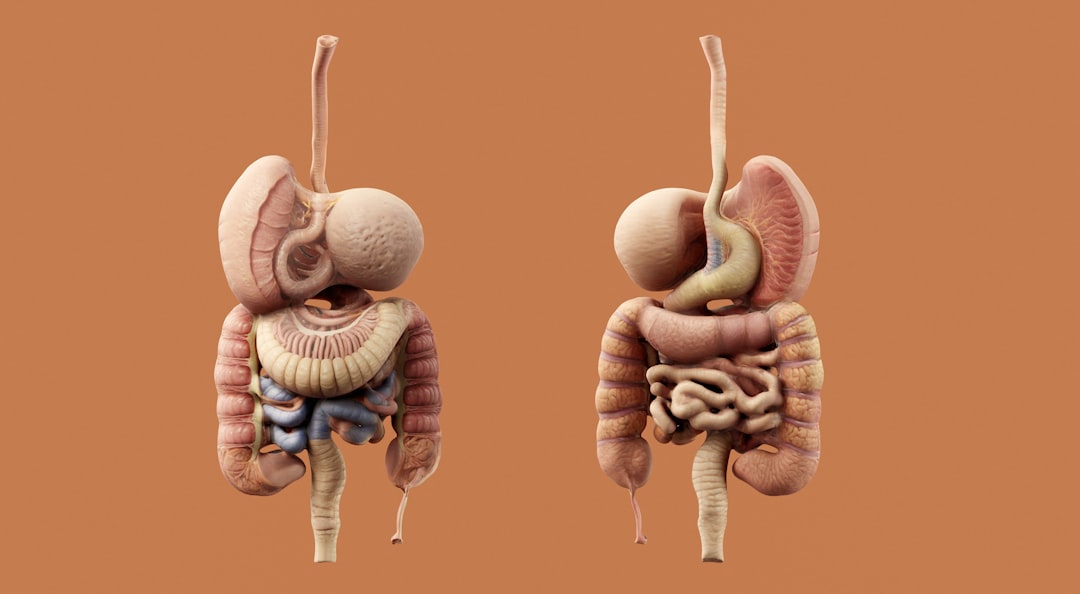
Carbonated beverages contain dissolved carbon dioxide gas, which is what creates that characteristic fizz and tingling sensation on your tongue. When you drink these beverages, you're not just consuming liquid—you're ingesting thousands of tiny gas bubbles that travel down your esophagus into your stomach and intestines. Once in your digestive tract, these bubbles expand, creating pressure and volume that can stretch your stomach walls and intestines.
The body's natural response to this gas buildup is to either burp (eructation) or pass it through the intestines as flatulence. However, not all the gas escapes efficiently, especially if you drink quickly or if your digestive system processes food more slowly than average. A 2019 study published in the American Journal of Gastroenterology found that individuals who consumed carbonated beverages showed measurably increased gastric gas volume compared to those who drank still water, with some participants experiencing uncomfortable distention that persisted for hours.
Several factors influence how severely carbonation affects you personally. Carbonation levels vary significantly between products—soda typically contains more dissolved CO2 than sparkling water or club soda. Your individual digestive sensitivity, stomach acid levels, and the speed at which your stomach empties its contents all play roles in determining your bloating severity. Additionally, many carbonated sodas contain high fructose corn syrup or artificial sweeteners, which themselves can trigger digestive distress independently of the carbonation factor, compounding the bloating effect.
Recognizing Bloating and Digestive Distress Symptoms
Bloating from carbonated drinks manifests differently from person to person, but several common signs indicate that fizzy beverages are causing you digestive trouble. The most obvious symptom is visible abdominal distention—your belly feels noticeably fuller and may even appear larger shortly after consuming carbonated drinks. This isn't weight gain; it's gas taking up physical space in your digestive organs.
Beyond visible swelling, you may experience uncomfortable sensations including a tight or heavy feeling in your stomach, cramping, sharp pains, or a sensation of pressure in your abdomen. Many people report feeling excessively full after carbonated beverages despite not consuming many calories, which happens because the gas creates a false sense of fullness. Accompanying symptoms often include excessive burping, intestinal gas, and changes in bowel habits—some people experience constipation while others develop loose stools or urgency.
The timing of symptoms is also revealing. If your bloating begins within 15 to 30 minutes of consuming a carbonated beverage and resolves within a few hours, carbonation is likely the culprit. Some individuals also report experiencing heartburn, acid reflux, or a sensation of food backing up in the throat after carbonated drinks, particularly if consumed on an empty stomach or while lying down. More severe cases can include nausea, loss of appetite, or difficulty breathing comfortably due to gastric pressure pushing upward on the diaphragm. Keeping a symptom diary noting which drinks trigger which symptoms helps you identify your personal threshold and sensitivity level.
How Bloating Affects Your Daily Life and Wellbeing
The impact of carbonation-related bloating extends far beyond momentary discomfort. For many adults over 40, recurring bloating from carbonated drinks significantly affects quality of life. The physical discomfort can make it difficult to focus on work, enjoy social activities, or feel confident in your own body. People often report avoiding meals with friends or family if carbonated beverages will be served, or feeling self-conscious about visible abdominal distention during professional settings or social gatherings.
The psychological component shouldn't be underestimated either. Repeated bloating creates anticipatory anxiety around consuming certain beverages, which can develop into avoidance behaviors that limit your food and drink choices unnecessarily. Additionally, chronic bloating is often accompanied by fatigue and reduced energy levels, since your body directs resources toward managing digestive distress rather than supporting your normal activities. Some research suggests that persistent gastric distention may also interfere with nutrient absorption, potentially contributing to deficiencies over time if carbonated beverages displace more nutritious alternatives in your diet.
Sleep quality can suffer as well, particularly if you consume carbonated drinks in the evening. The gas and associated digestive discomfort may make it harder to find a comfortable sleeping position, potentially disrupting rest quality. For these reasons, finding effective strategies for how to reduce bloating from carbonated drinks isn't merely about comfort—it's about reclaiming your sense of wellbeing and maintaining an active, engaged lifestyle.
Natural Lifestyle Approaches to Minimize Carbonation Bloat
The most straightforward strategy involves modifying your consumption habits rather than eliminating carbonated beverages entirely. Drinking more slowly is one of the most effective techniques—rushing through carbonated drinks increases the rate at which gas enters your stomach, overwhelming your system's ability to expel it efficiently. Set down your glass between sips, take smaller swallows, and allow yourself 10 to 15 minutes to finish a typical serving rather than gulping it down in a few minutes.
Temperature also matters. Cold carbonated drinks tend to increase gas expansion due to the temperature differential in your stomach, while room-temperature beverages result in less dramatic gas behavior. If you enjoy carbonation, try drinking fizzy beverages at warmer temperatures or allowing them to sit briefly before drinking, which allows some carbonation to naturally dissipate. Consuming carbonated drinks with meals rather than on an empty stomach provides food to help buffer the gas and slow gastric emptying, reducing the intensity of symptoms for many people.
Physical activity offers another evidence-based approach. A 2020 study in Digestive Diseases and Sciences found that light movement such as walking after meals significantly improved gastric emptying and reduced bloating symptoms. Even a 10-minute walk after consuming carbonated beverages can help move gas through your digestive system more efficiently. Additionally, adopting upright posture rather than slouching or lying down immediately after drinking supports natural gas movement upward and outward.
Hydration with still water throughout the day supports optimal digestive function, while staying adequately hydrated reduces your body's tendency to hold onto fluids, which can compound bloating sensations. Finally, managing stress through relaxation techniques, adequate sleep, and regular exercise supports overall digestive health, since stress hormones directly impact stomach acid production and gastric motility.
Dietary and Nutritional Strategies for Digestive Comfort
Beyond avoiding or limiting carbonated beverages, specific dietary choices support digestive resilience and reduce your susceptibility to bloating. Consuming adequate fiber through whole grains, vegetables, and fruits supports healthy gut motility and helps gas move through your system more efficiently. However, this should be introduced gradually, since sudden fiber increases can temporarily worsen bloating.
Certain foods and beverages have demonstrated natural anti-inflammatory and digestive-supporting properties. Ginger, consumed as fresh root, tea, or in small supplement doses, has been extensively studied for its ability to improve gastric emptying and reduce bloating. A 2013 study in Molecular Nutrition & Food Research found that ginger compounds significantly enhanced gastric contractions, helping food and gas move through your stomach more effectively.
Peppermint tea and fennel seeds have traditional use for digestive comfort and show promising research support. The menthol in peppermint may help relax digestive tract muscles, reducing cramping, while fennel's compounds have been shown to reduce abdominal bloating and improve overall digestive comfort. Many people find that sipping herbal tea after meals supports digestion more effectively than carbonated beverages.
Probiotics—beneficial bacteria that support gut health—may help some individuals, though research remains mixed. A healthy gut microbiome supports more efficient gas processing and reduces overall bloating susceptibility. You'll find probiotics in fermented foods like yogurt, kefir, sauerkraut, and kimchi, or through targeted supplementation. When exploring nutritional approaches to digestive support, products designed specifically around digestive wellness nutrients may complement your dietary efforts, though whole foods should remain your foundation.
Finally, limiting foods high in FODMAPs (fermentable carbohydrates) can reduce bloating in susceptible individuals. These include certain fruits, artificial sweeteners, and processed foods that ferment in your intestines, producing excess gas. Working with a registered dietitian can help you identify which specific foods trigger your symptoms.
Frequently Asked Questions
Is carbonation itself the only problem, or do other ingredients contribute to bloating?
Carbonation is the primary culprit, but other ingredients matter significantly. High fructose corn syrup and artificial sweeteners like sorbitol, xylitol, and sugar alcohols ferment in your intestines, producing additional gas independently of carbonation. Caffeine can also increase stomach acid and speed gastric emptying, potentially intensifying bloating sensations. Regular soda combines carbonation with problematic sweeteners, making it more likely to cause severe bloating than plain carbonated water.
How long does carbonation bloating typically last?
Mild to moderate bloating from carbonated beverages usually resolves within 30 minutes to 2 hours as your body expels the gas through belching or intestinal passage. However, if you've consumed large quantities of carbonated drinks or have slower digestive motility, discomfort may persist for 4 to 6 hours. Individual factors like age, digestive health, and whether you've eaten recently all influence duration. Younger people typically recover faster than adults over 50.
Can I ever enjoy carbonated drinks without bloating?
Many people find they can enjoy carbonated beverages comfortably by implementing the strategies discussed—drinking slowly, consuming with meals, choosing lower-carbonation options, and staying active afterward. Others discover their tolerance is simply too low and benefit more from still beverages. The key is experimenting with different approaches to identify your personal threshold. Some adults find that occasional carbonated drinks at carefully managed times cause minimal problems, while frequent consumption triggers more severe symptoms.
Taking Action for Better Digestive Comfort
Bloating from carbonated drinks doesn't have to be an inevitable part of your day. By understanding the mechanics of carbonation, implementing practical lifestyle changes, and supporting your digestive system through nutrition, many adults successfully reduce or eliminate these uncomfortable symptoms. If you're looking to explore comprehensive nutritional support for digestive wellness, Soda Peak provides an evidence-based formula combining key nutrients that support overall digestive health and comfort. Visit the site to learn more about ingredients and whether this approach aligns with your wellness goals.